This is How to Japanese, a monthly newsletter with something about Japan/Japanese and a dash of いろいろ.
日本・日本語:Replacement Pronouns
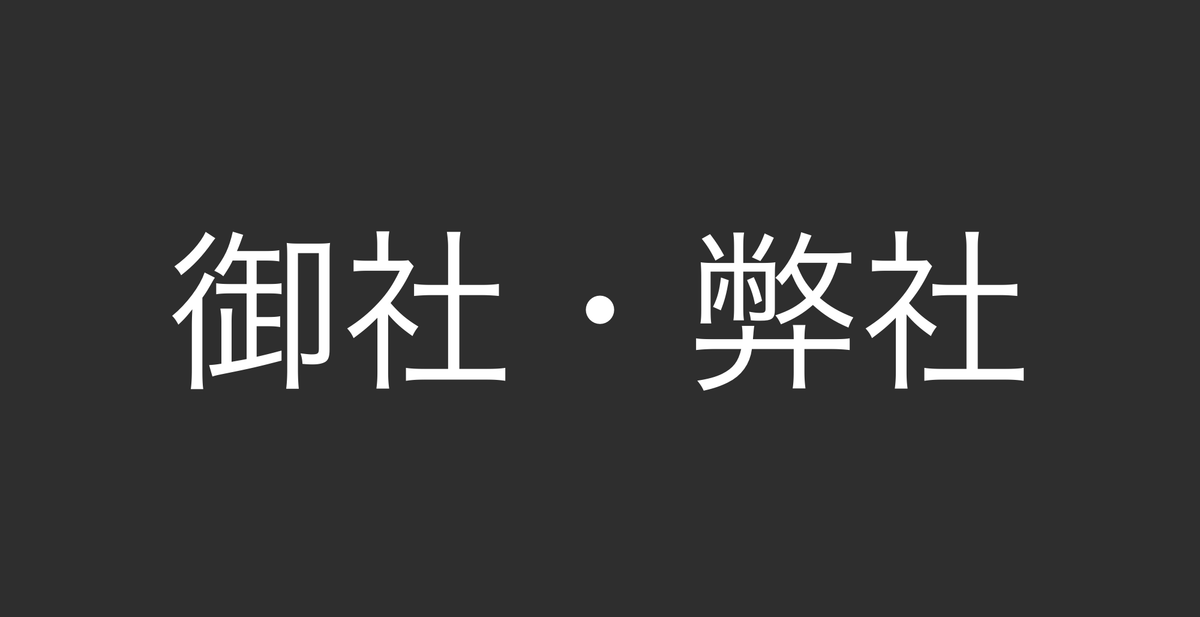
The key thing with “impossible pairs” is resisting the urge to let yourself remain in the status quo. You must do something, change something, so that you can eject yourself from the gravitational pull of ignorance. Sometimes a change in circumstances is all it takes. For me, returning to Japan and getting a job at a Japanese company resolved me of the need to change anything on my own. Time and exposure helped solve 御社 (onsha) and 弊社 (heisha).
These are two terms that get used for “your company” (御社) and “my/our company” (弊社) in spoken Japanese, and I think I had mentally resisted actually learning to use/differentiate them for who knows what reason. Perhaps just because I was annoyed that they were similar. More likely because I rarely had the opportunity to use them and didn’t have anyone to guide me on their proper usage.
You, however, do not need to move to Japan to learn these! 御社 and 弊社 aren’t so tricky. The mnemonic here is straightforward: You only need to associate 御 and its sound おん with the polite prefix お that gets attached to verbs and nouns. The お you see everywhere in お願い and お茶 are all actually 御 in disguise. 御 is pronounced お (o) or ご (go) in most cases and gets attached to the front of words when used in relation to someone else, i.e. someone else’s company (御社), someone else’s body (お体), a request made of someone else (お願い), someone else’s cooperation (ご協力), or someone else’s state of being (お忙しい), etc.
This website from TBS has a simple overview of how to differentiate between お and ご: In general, お is attached to 訓読み (kun’yomi) words and ご is attached to 音読み (on’yomi) words. For some examples, take a look at the newsletter from September, which has a few polite verb phrases.
Once you’ve mastered the idea that おん・お is polite, then you simply need to remember to use the polite option with the other company, not your own. That covers the “impossible pair” aspect of these two words.
The real “get used to it” trick with 御社 and 弊社 is understanding that they are actually pronouns. This is not some joke about pronouns. This is actually how the words get used in practice, which is what I did not know: In what circumstances would I ever actually use these words?
Simply put: 御社 = you/you all, and 弊社 = I/we. Obviously these are not perfect equivalents. A person is not their company, and these words take on a distinction very different from simply I/you/we, but you can effectively use them just as you would use those pronouns in English. In fact, they are more natural to use as pronouns than actual Japanese pronouns like あなた (anata, you) and 私たち (watashi-tachi, we).
For example, a sentence like this would be perfectly natural:
御社に確認をしていただいてから、弊社のほうで処理を進めます。
And I would translate this in English using we/you/your:
After we receive your confirmation, we will proceed with the processing.
Trying to force regular pronouns like the ones I mentioned or others (きみ, 我々, etc.) would be extremely unnatural. Funnily enough (for English speakers and other languages accustomed to frequent pronoun usage), these “replacement pronouns” are more natural Japanese.
I noted above that 御社 and 弊社 are spoken Japanese. The reality is a little more complicated. Traditionally 御社 is spoken and 貴社 (kisha, your company) is the equivalent written expression, but more and more, 御社 is used in written communications as the language changes. 弊社 seems to be both written and spoken 謙譲語 (kenjōgo, humble polite speech) and 当社 (tōsha) is a 丁寧語 (teineigo, polite speech) option, but there are also words like 自社 (jisha) and わが社 (wagasha) used internally to reference your own company and 小社 (shōsha) that can be used externally.
For a more detailed breakdown, check out these articles from Rikunabi and Mynavi.
いろいろ:
- Check out the blog for this month’s podcast. In addition to 御社 and 弊社 I tried to think up other replacement pronouns. Not too many came to mind. Can you think of any?
- The JLPP posted their annual translation competition. Note that the submission window is in May this year! A month earlier than usual.
- Cat Foreheads and Rabbit Hutches has an eye-opening look at the victims of earthquake disasters who are now paying two mortgages: The mortgage of their home destroyed in the earthquake and a second mortgage on the rebuilt home.
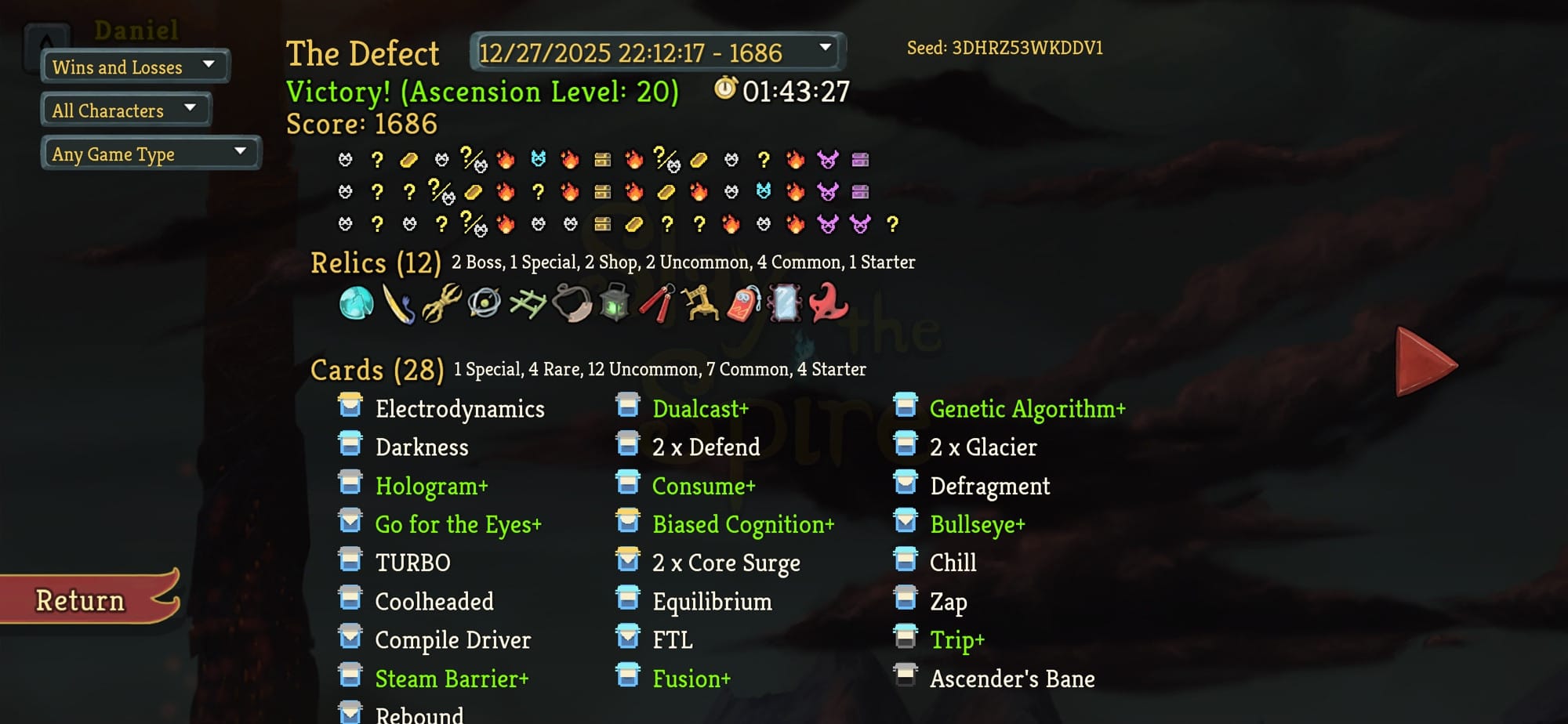
- I didn’t look too closely at my gaming statistics this year because I failed once again to meet my “write more hours than you game” goal. Playing 210 hours of Slay the Spire will do that, but in my defense, most of that was on the train and while waiting for appointments, etc. when I couldn’t have been writing. I’m proud to say I finished Ascension 20 with The Defect and am eagerly awaiting Slay the Spire 2. It may be the only game I play this year. Might have to give up everything else to fit in all the writing and reading I’d like to do.

Member discussion: