This is How to Japanese, a monthly newsletter with something about Japan/Japanese and a dash of いろいろ.
日本・日本語:Versatile Vocab Virtuoso
The newsletter is long this month. So long that it probably cannot fully display in email form. If you’re reading this via email, please click “View in browser” above for the full text. Thank you and 恐れ入ります!
In August 2024, I argued that 確認 is the most useful two-character kanji compound, and I think it still is pretty dang useful…for a verb. However, verbs have their limitations. Other than する (suru, to do), a true jack of all trades, verbs do one set of things. Even if those things are diverse in nature, they are limited by the range of the linguistic assembly line that they inhabit. Nouns, on the other hand, get passed from machine to machine on the line, handled by all sorts of actions, and end up getting polished at the end, packaged, and rolled out the door and into the world…so to speak. Furthermore, these nouns can be modified by any number of adjectives, giving them an even broader range of use. Lately I’ve been wondering if perhaps the noun 事項 (jikō) equals or even surpasses 確認 in utility.
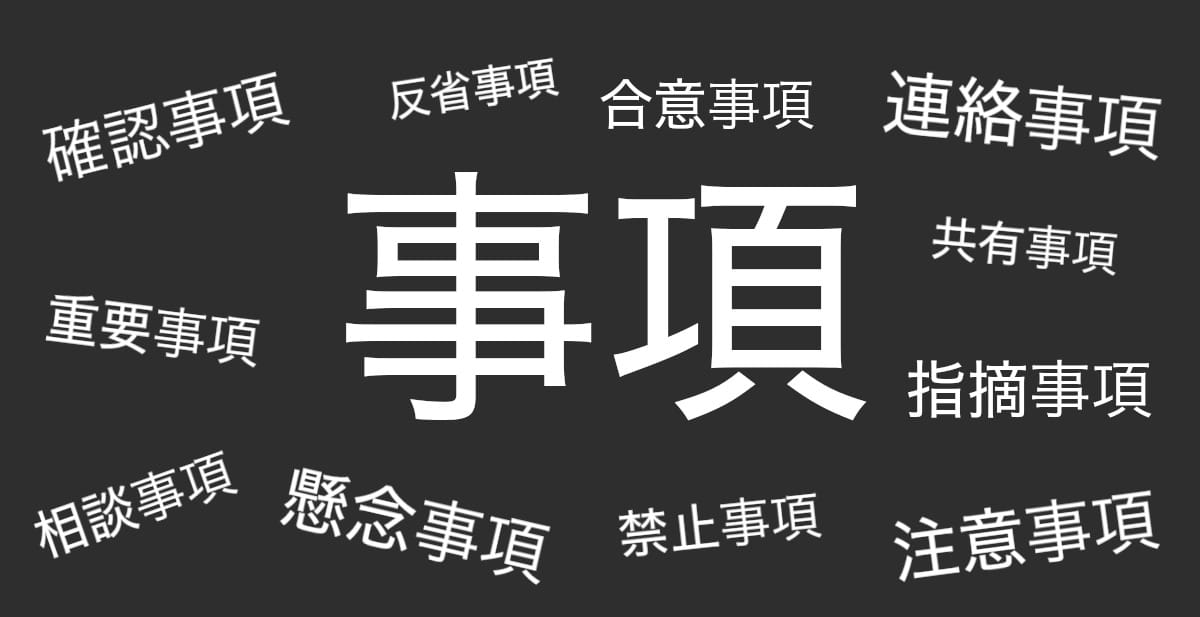
The beauty of 事項 is that it’s really into linguistic polygamy. On its own, 事項 is extremely abstract and essentially can’t be used. It often gets translated as “items,” “matter,” or “facts,” but these are very distinct from other words that take “items,” “matter,” or “facts” as translations such as 品物 (shinamono, items for sale/physical items), 物質 (busshitsu, scientific term for physical matter), or 事実 (jijitsu, truths/facts).
In this sense, 事項 has a very distinct こと (koto) or もの (mono)-like effect. こと in particular is instructive, given that it’s what is called a 形式名詞 (keishiki meishi, formal noun). It “nominalizes” clauses, meaning that it can turn a long phrase into a noun essentially: 激辛カレーを食べること (karē o taberu koto, eating super-spicy curry). 事項 does similar work but most frequently with other kanji compounds and rather than nominalizing them it turns them into a bulleted list of items, matters, or facts up for consideration or confirmation or prohibition, as we will see.
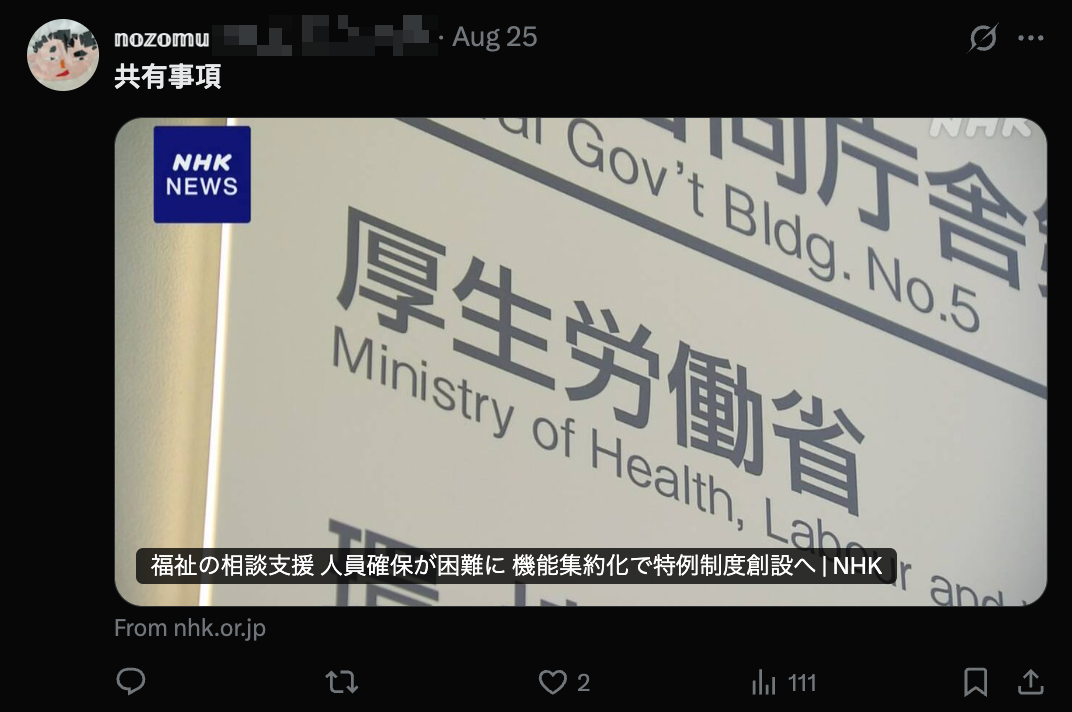
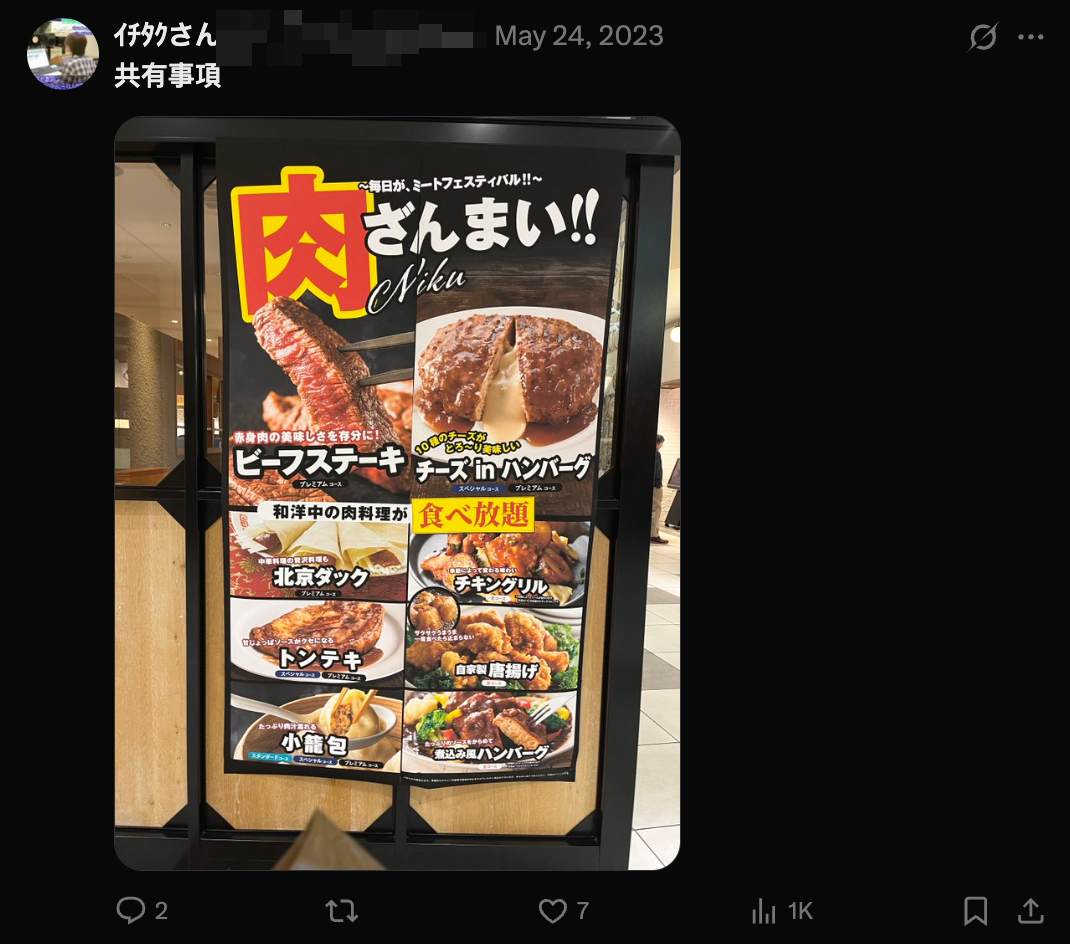
共有事項 (kyōyū jikō, matters to share), for example, is really useful as a phrase in meetings: 他に何か共有事項ありますでしょうか (Hoka ni nanika kyōyū jikō arimasu deshō ka, Does anyone have any other topics to share?) And it also seems to be used online to mean “FYI”, both seriously:
Or ironically:
The variety of different 事項 out there is kind of amazing, and once you start to recognize it, you’ll see it all over. This month, I found as many as I could (which is certainly not all of them), and I’ll go through them in order of most Google hits to least Google hits at the time of writing, which was very instructive. Many that I encounter regularly at work or in everyday life were near the bottom of the list, and others that I’ve never heard of are near the top. (Note that these Google search numbers have changed since I started writing and I neglected to put down the date I did the original searches. Apologies.)
免責事項 (menseki jikō) - 264 million hits
免責事項 essentially means “disclaimer.” This is not the example I was expecting at the top of the list, but after a little thought it’s not surprising at all: Nearly every service on the internet has to offer a disclaimer of some sort, which is why there are so many. This example also demonstrates translation approaches for 事項; some compounds can be translated as separate words, such as “topics to share” above, but others need to be translated as a whole like “disclaimer.” Literally it means “items/matters that are exempted.” 免責 (“exemption from responsibility”) makes a lot of sense when you compare it to 免税 (menzei, tax exemption), especially when you consider it in terms of the types of kanji compounds, which I went over years ago on the blog.
注意事項 (chūi jikō) - 194 million hits
This second item is similar to the first in that you see 注意事項 everywhere, but rather than a list of items that the service provider is exempting themselves from, these are usually items that are specific actions that users are advised or warned to take. This article has a breakdown.
必要事項 (hitsuyō jikō) - 23.7 million hits
This phrase didn’t feel completely natural to me, having never really used it myself, but it makes sense, and I liked this post I found of someone looking for just the “bare necessities” at a salon, with no extra conversation:
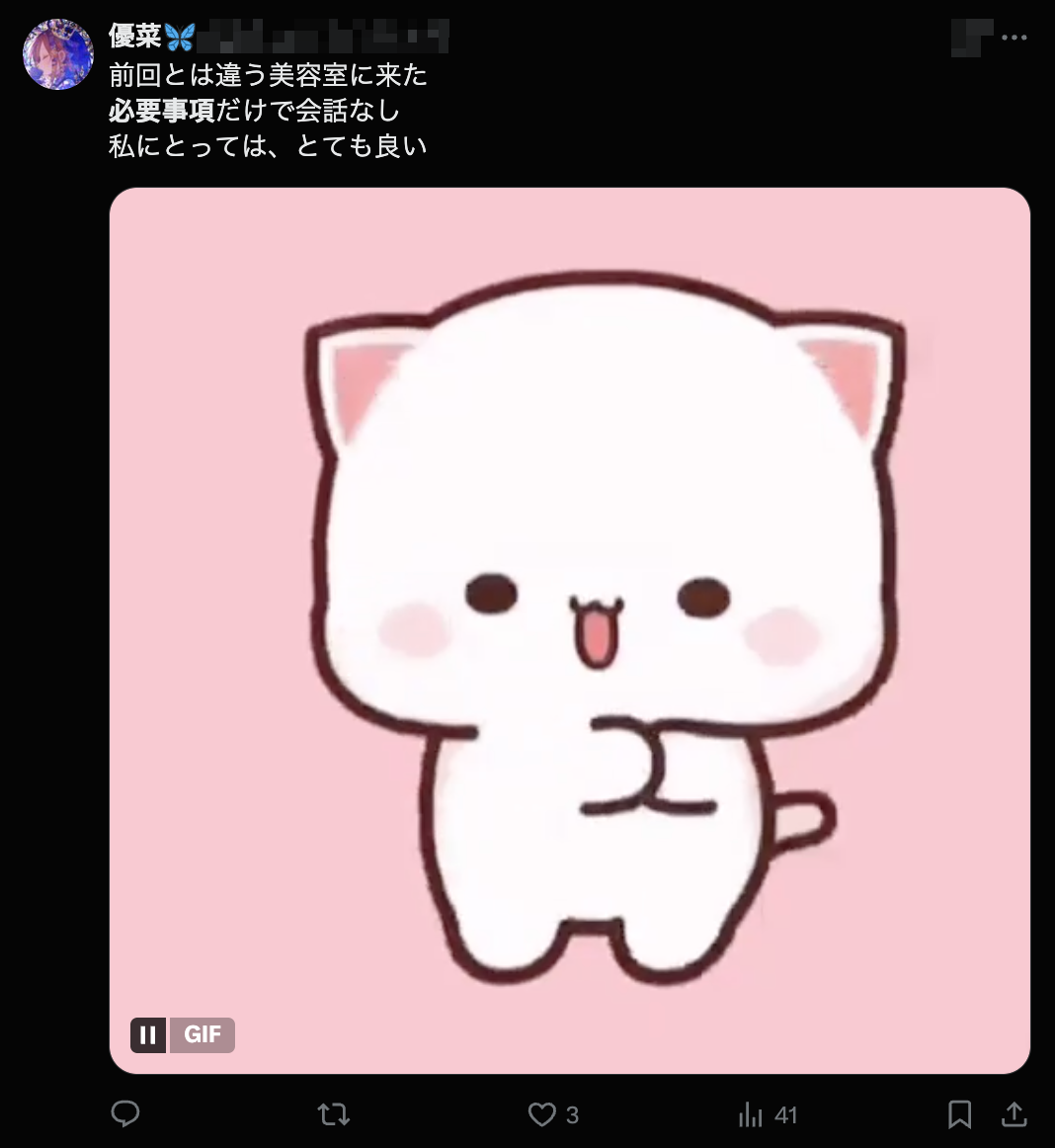
This does seem to be a frequently posted about topic. Anything required can be included in this list, so it feels somewhat flexible.
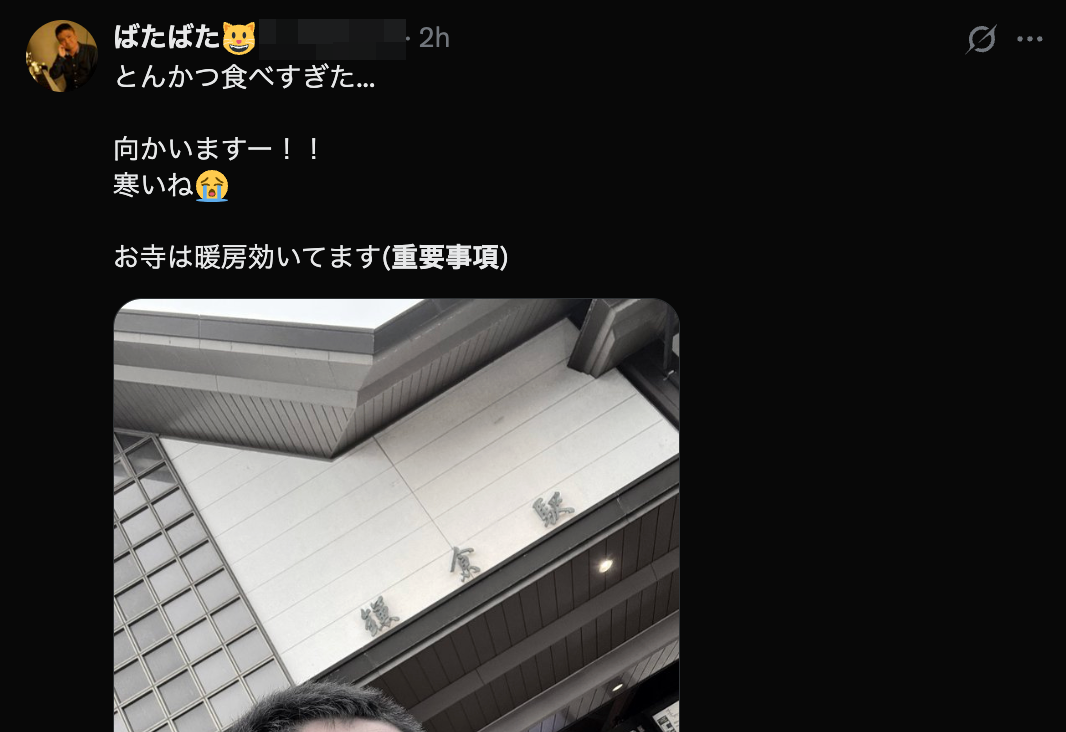
重要事項 (jūyō jikō) - 16.4 million hits
This compound seems to have several uses. It occasionally is used to refer to the legalese behind contests, etc., but it can also just be more literally “important things.” Many people seem to add it in parenthesis to mark an important point, such as this guy who’s been out in the cold but fortunately is visiting a temple with heating:
特記事項 (tokki jikō) - 15 million hits
This phrase is mostly related to a space on Japanese resumes used to write “items warranting special mention.” I’m not super familiar with this, but it does look like what to write in this space is a source of stress for Japanese job seekers. There are a lot of articles about how to approach this space. Content generally includes information such as when you are available to start, when you plan to move, and other details. This article is one of many that explains what to write and how, when to leave it blank, and other instances when the phrase gets used. It does seem to get used on social media as a way to add on additional thoughts/notes, occasionally in parenthesis as we saw above with 重要事項.
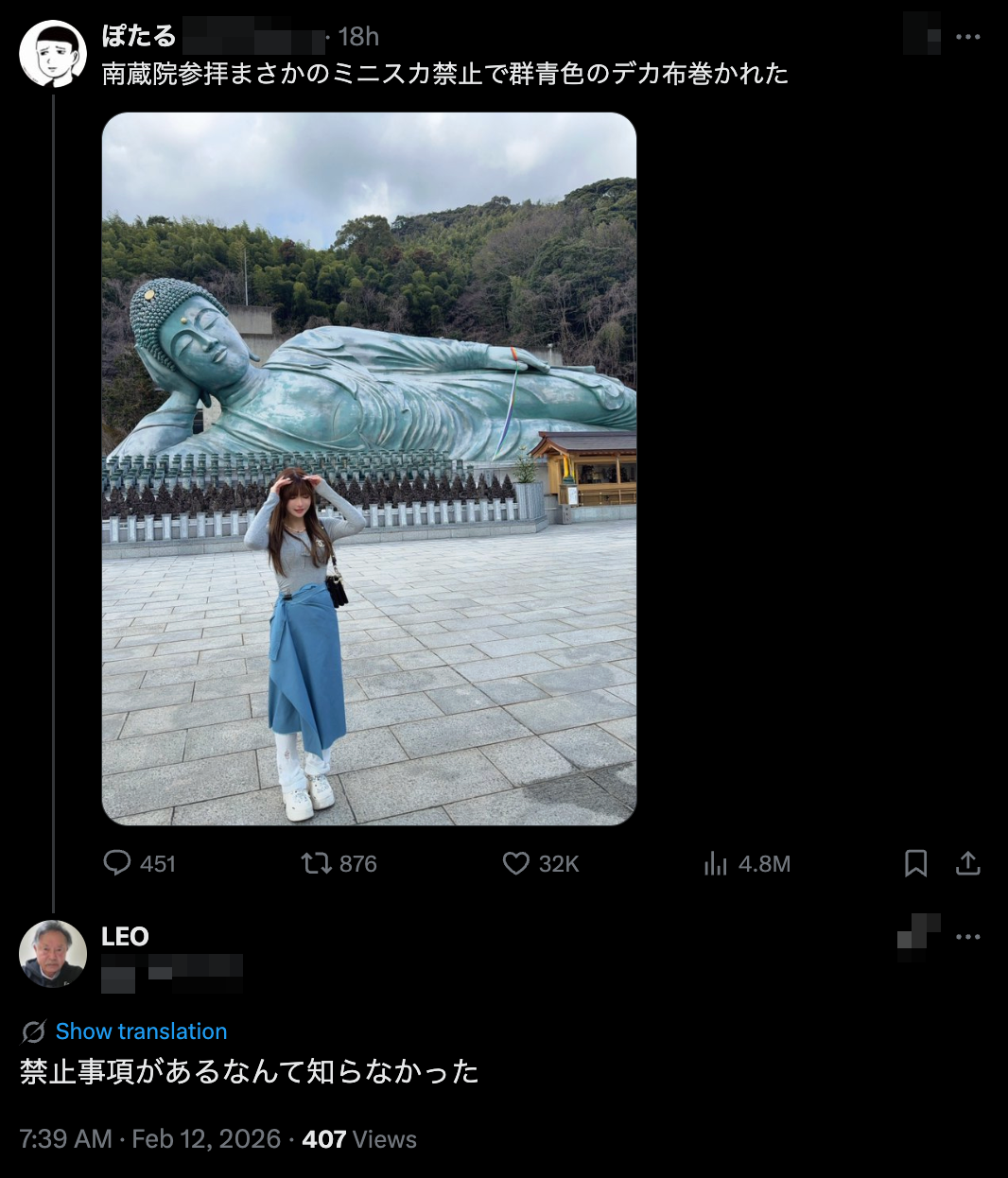
禁止事項 (kinshi jikō) - 14 million hits
This is another straightforward legalese term referring to things that are prohibited. The Japan Airlines website has a pretty clear list of things that are prohibited during a flight, for example. I feel like this word can be both very serious and contract-y (such as a section in a user agreement) or more casual (such as mini-skirts being prohibited when you visit Nazoin Temple).
記載事項 (kisai jikō) - 12.6 million hits
In terms of Google results, by far the most frequent usage of this term is when it’s embedded in the larger word 住民票記載事項証明書 (Proof of Items Printed on the Certificate of Residence), I think because residents of Japan are constantly needing this form for various things such as applying for apartment rentals, opening bank accounts, etc. It’s useful to know that 記載事項 are the things on the certificate of residence, and when you have this form printed (and you can do so at a convenience store if you have a My Number Card) you can opt to exclude sensitive information such as your My Number or your date of birth.
This compound gets used elsewhere to mean “things printed/included/written” in other various circumstances, often legalese. Take this article, for example, which goes over the information included in the proceedings of a shareholders general meeting. 記載事項 are those things that are included. So it’s fair to say that this compound has a broad use.
確認事項 (kakunin jikō) - 12.4 million hits
This compound is incredibly useful in an office environment and could be subbed into the example sentence that I used at the top. Essentially, this would be anything that is 要確認 (yō-kakunin, in need of confirmation) as I noted when I wrote about 確認.
Here’s a funny post about a worker who couldn’t attend a meeting and emailed a list of things to confirm in advance, only to have someone reply…asking them to send a list of things to confirm.
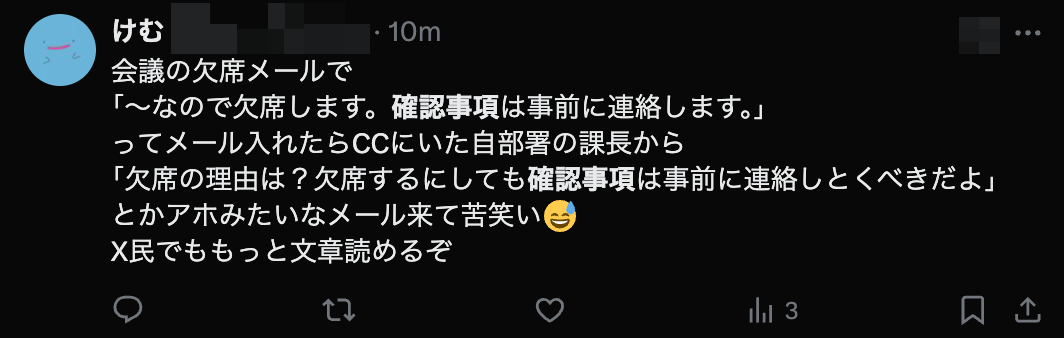
Also, it looks like X民 is a term used for “people who use X/Twitter.”
最優先事項 (saiyūsen jikō) - 7.96 million hits
This compound is fairly straightforward and gets used in a wide variety of situations to essentially mean “top priority.” A search for this term gives a lot of results related to Stephen Covey’s book 7 Habits of Highly Effective People because apparently Habit 3, which is “Put First Things First,” gets translated into Japanese as 最優先事項を優先する (Saiyūsen jikō o yūsen suru). I was curious about the repetition here, but it’s actually a really nice translation, now that I track down the English.
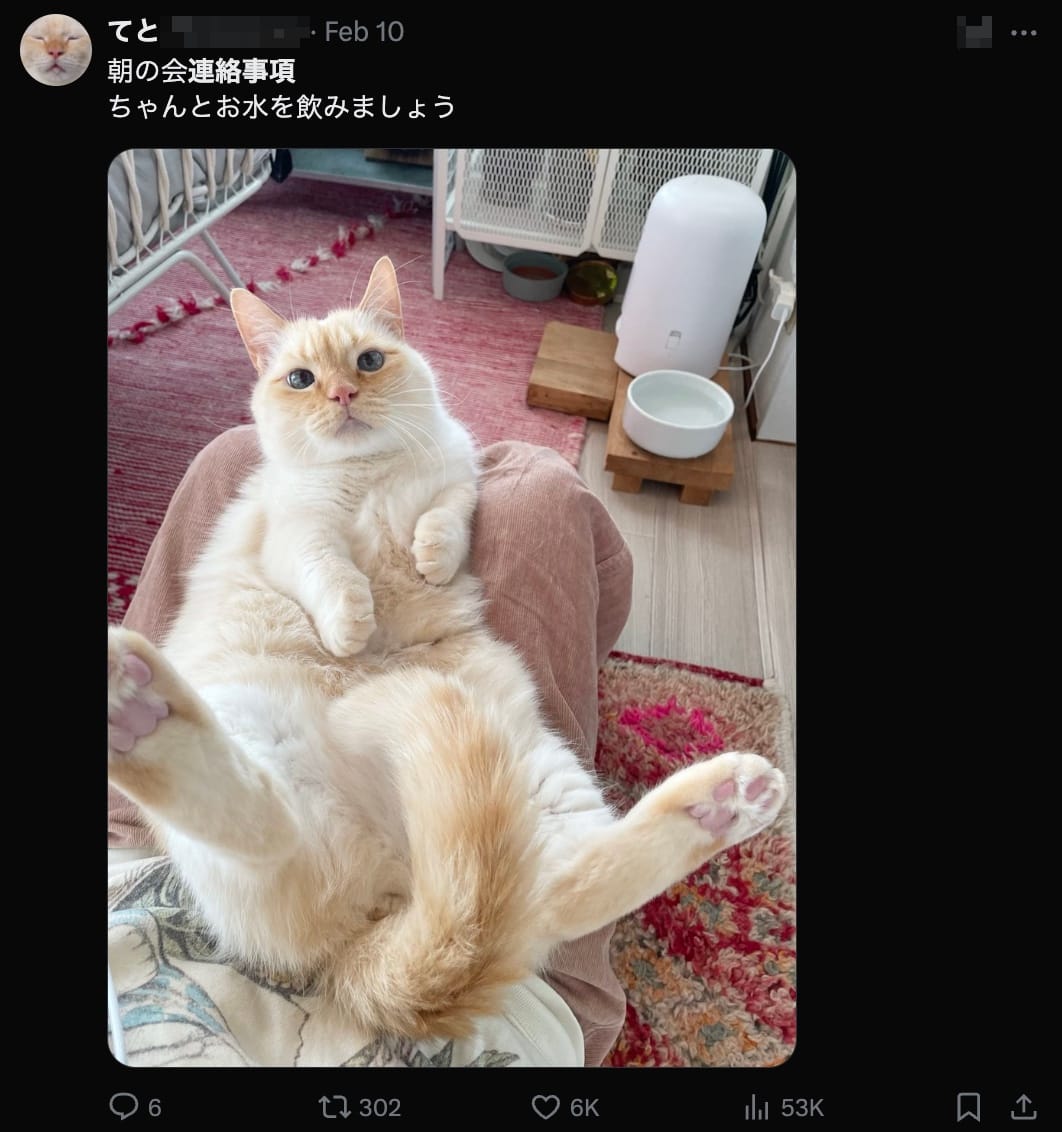
連絡事項 (renraku jikō) - 6 million hits
This is along the lines of the business Japanese usages that I had in mind. This word literally means “items to contact/communicate,” but in practice means “things I need to relay (to a business partner)." You can use a sentence as simple as 連絡事項があります (renraku jikō ga arimasu, I have information I need to relay) if you want to let someone know you have to tell them something.
I stumbled on a great website that breaks down the word and how to use it and includes a ton of example sentences. The nuance can be a notice, a report, guidance, or some kind of urgent or essential communication.
Judging from this tweet, you can also use it ironically online for very non-urgent posts:
告知事項 (kokuchi jikō) - 2.89 million hits
This was a new word for me. It appears to have two meanings, the first of which is very similar to 連絡事項: It literally means “something to report.” So you see people tweeting out photos of their lunch with the text as a joke, or when they actually have something to share.
It’s also a real estate term that means “disclosure,” as in “something negative about a property that must be disclosed to potential buyers.” You frequently see the phrase 告知事項あり物件 (kokuchi jikō ari bukken, properties with disclosures) referring to properties that are cheaper than they should be because of some unfortunate reason (like all the inhabitants dying a mysterious death and not being discovered for 10 days, as in this blog post).
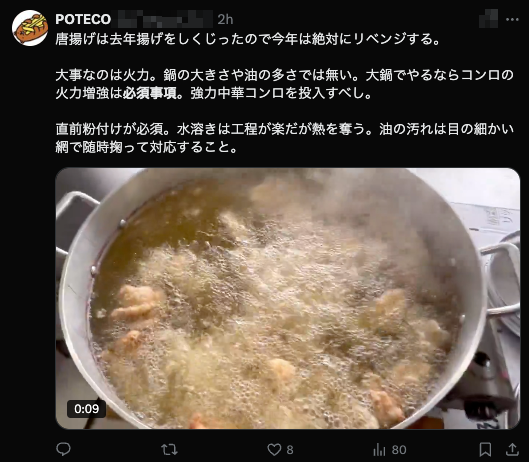
必須事項 (hissu jikō) - 1.23 million hits
This, like “disclosures” above, is a good example of a translation being greater than the sum of the parts. This literally means “required items,” and it does get used to mean “something that is required” (like a strong flame when you’re frying からあげ), but it’s also used a lot with entrance exams, which makes me think that “prerequisites” would be a good translation.
共通事項 (kyōtsū jikō) - 1.14 million hits
Online this word gets used as call for empathy: You see compounds like 全世界共通事項 (“same around the world”) or 全人類共通事項 (“same for all humanity”) used to call out universalities.
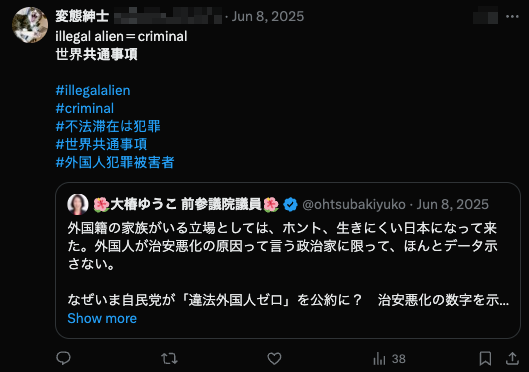
It also gets used to highlight things that are the same:
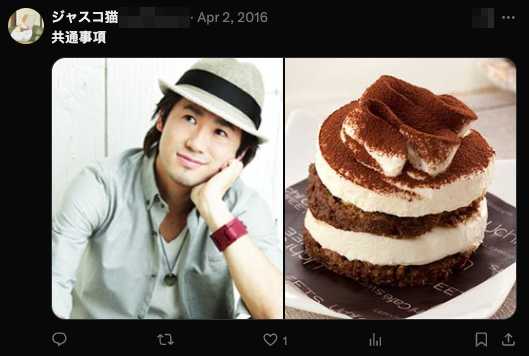
Or as a short reply to mean “ditto” or “same for everyone,” it seems, although I couldn't find a solid example to share.
Outside of social media, this simply means “common items” and often seems to refer to learning objectives that are shared for all students.
登記事項 (tōki jikō) - 933,000 hits
This one’s easy because it has its two Wikipedia pages: 登記事項 (商業登記) and 登記事項 (不動産登記).These are the items that must be registered by a company or a real estate property, which appears to include things like name, purpose, website, CEO, and number of shares for a company and address, lot size, and name for a property. As you can imagine, things get very detailed and specific very quickly.
最重要事項 (saijūyō jikō) - 864,000 hits
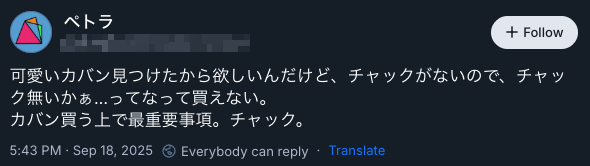
This is another simple one that means “most important factor.” It can be used both seriously and more lightly. Here are two fun light examples of people highlighting their most important criteria.
For handbags it’s the fastener:
And for bandmates, it’s whether or not they snore:
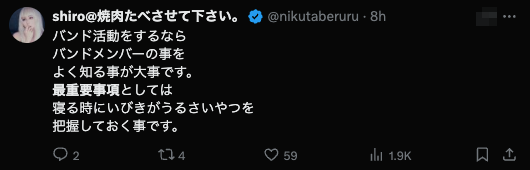
It overlaps a little with 最優先事項, although the nuance there is priority while here it’s importance.
懸念事項 (kenen jikō) - 604,000 hits
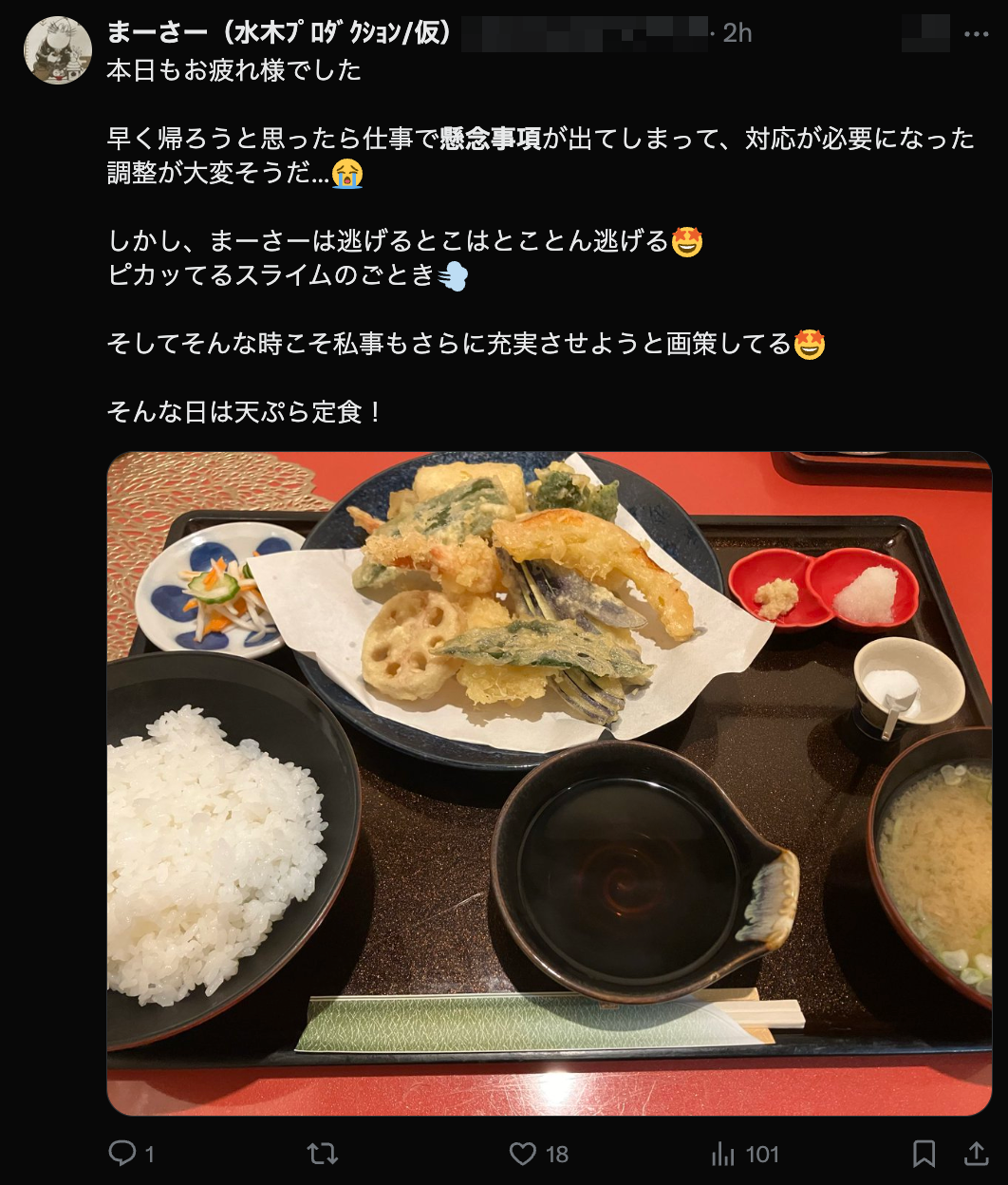
Now this feels like a super useful business phrase. It essentially means “concerns” and can be used to identify any issues that could potentially cause problems for a business moving forward. This article has a great breakdown and provides a comparison with 懸案事項 (which we’ll see further down the list) and 懸念点, another useful word.
And once you’ve taken care of a sudden 懸念事項, or once you’ve managed to extract yourself from the situation, you can treat yourself to tempura:
決定事項 (kettei jikō) - 558,000 hits
This one is new for me, but it only took one tweet to understand that it means “decided matter” or “something that’s been decided”:
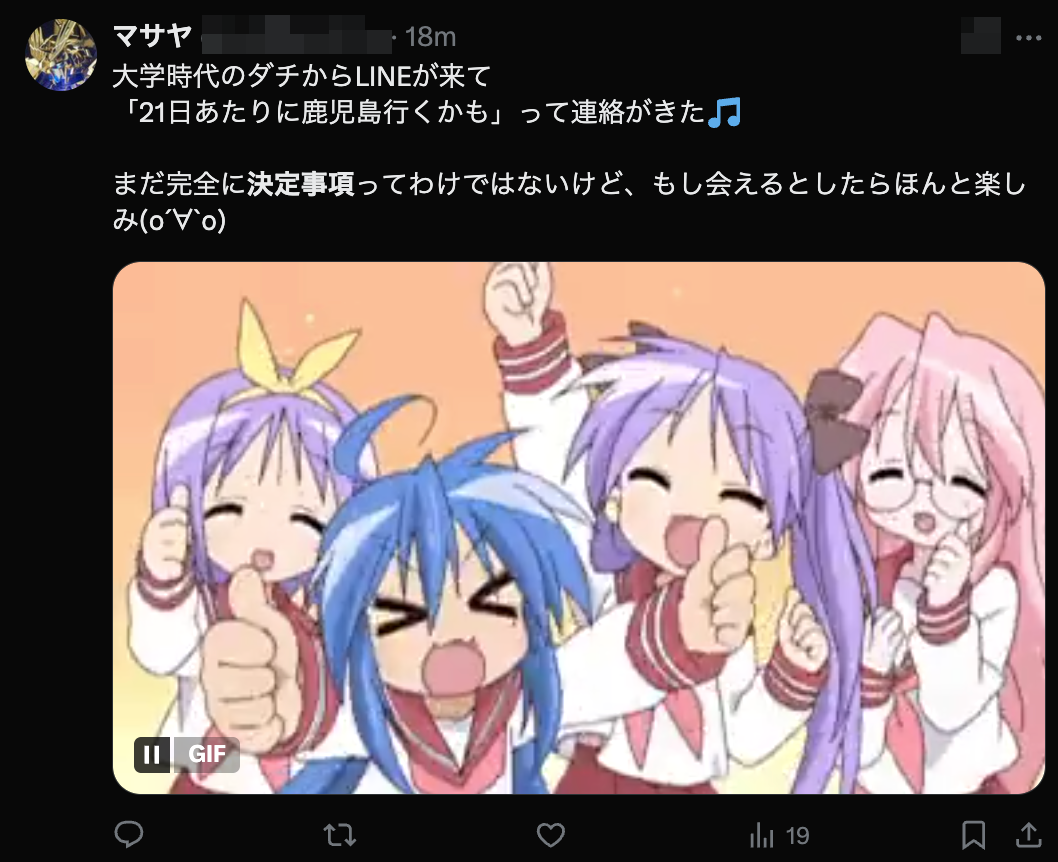
In the case of this tweet, the poster uses the phrase to specify that their friend’s visit isn’t 100% finalized but that they’ll be excited if the friend does visit. You could probably condense this to something like “settled” or “finalized” as I did in the sentence above.
禁忌事項 (kinki jikō) - 359,000 hits
Another new one for me. This is the medical term “contraindication.” If you look at this PDF from Chibanishi General Hospital, there is a long list of contraindications for various parts of the dreaded 人間ドック. (Does this literally mean “human dock”? I’ve always wondered. NHK says the answer is yes.) This might help you with excuses to avoid the barium test, which is never a good time. This spa also uses the term for contraindications for their facials, although it feels maybe slightly out of place as “contraindication” in English in this case.
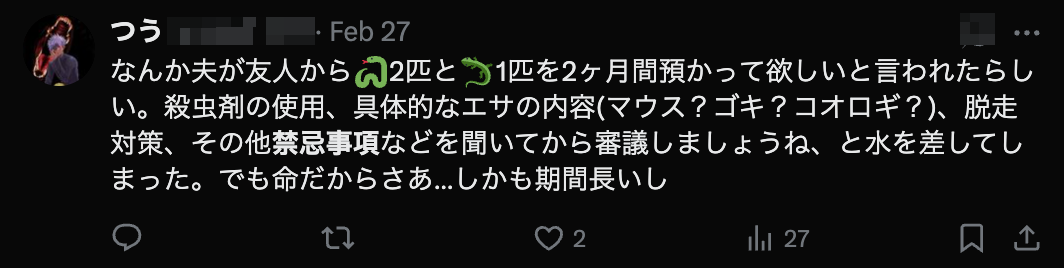
禁忌 can also mean “taboo,” apparently, but I don’t think that meaning is involved when you add 事項. At first I thought it might be when I saw this very funny tweet about a family being asked to pet sit, as it were, for two snakes and a lizard, but I think the term here just means “things you can’t give to these reptiles”:
指摘事項 (shiteki jikō) - 357,000 hits
Weblio has a concise definition for many of these, which I’d encourage you to seek out if you need further guidance. I’ve avoided linking them in many cases because it’s more fun to look at the words in context, but this one had me a little stumped and the Weblio definition is helpful:
審査時に審査員が審査を実施した結果を客観的証拠に基づき下した判定
Findings based on objective evidence that is the result of an examination conducted by reviewers during an audit.
This tweet shows a good example of findings being reported from a review of errors made during some sort of construction:
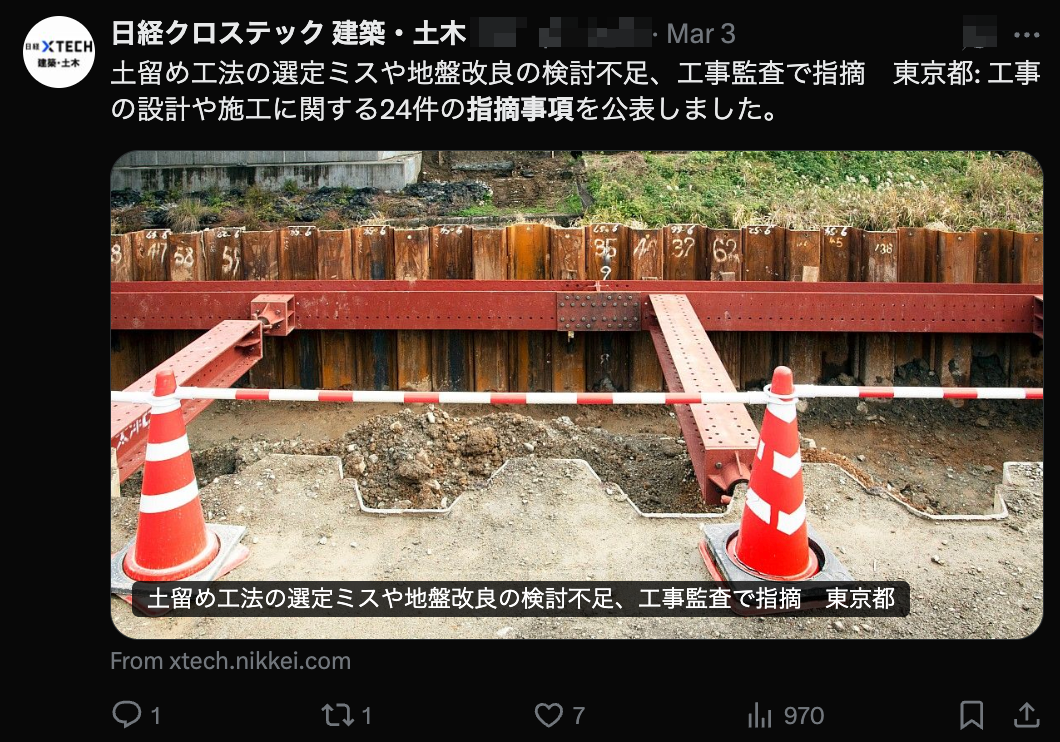
This website from Kunitachi City is helpful at understanding the difference between 指摘事項 and 要望事項. (I decided not to add 要望事項 to this list because the Google search results would not have matched with the other items on the list.)
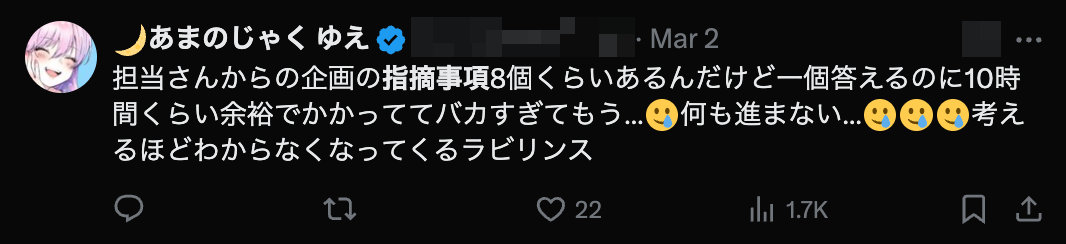
It looks like the term can be used more casually when there isn’t any sort of official audit, but it’s always something being reviewed by someone else and the 指摘事項 are always items that need to be fixed:
懸案事項 (ken’an jikō) - 307,000 hits
The article linked above for 懸念事項 is actually a breakdown for 懸案事項 which means “unresolved issue.” Forbes Japan also has a very detailed breakdown. This feels like an extremely useful business phrase that you can use to identify specific issues with a project that need to be addressed.
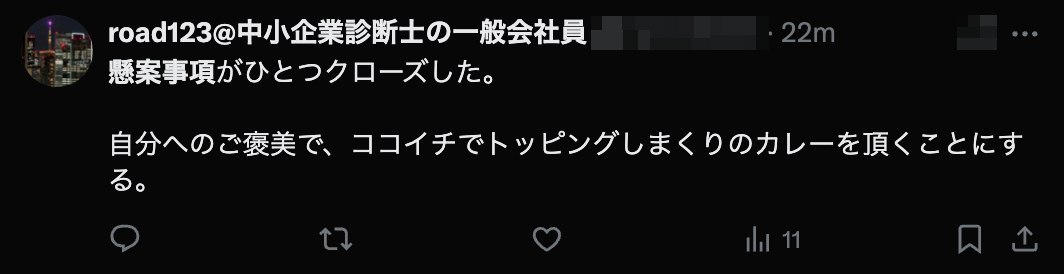
Social media users post about it frequently, often as a way to celebrate a task that they’ve completed, such as this user who is going to reward themselves with curry from CoCo Ichibanya:
合意事項 (gōi jikō) - 215,000 hits
This is another relatively straightforward compound that means “understanding” between two groups. You can see this one between the Tokushima governor and the head of Tokushima University. Or between the U.S. and Japan in this Reuters headline:
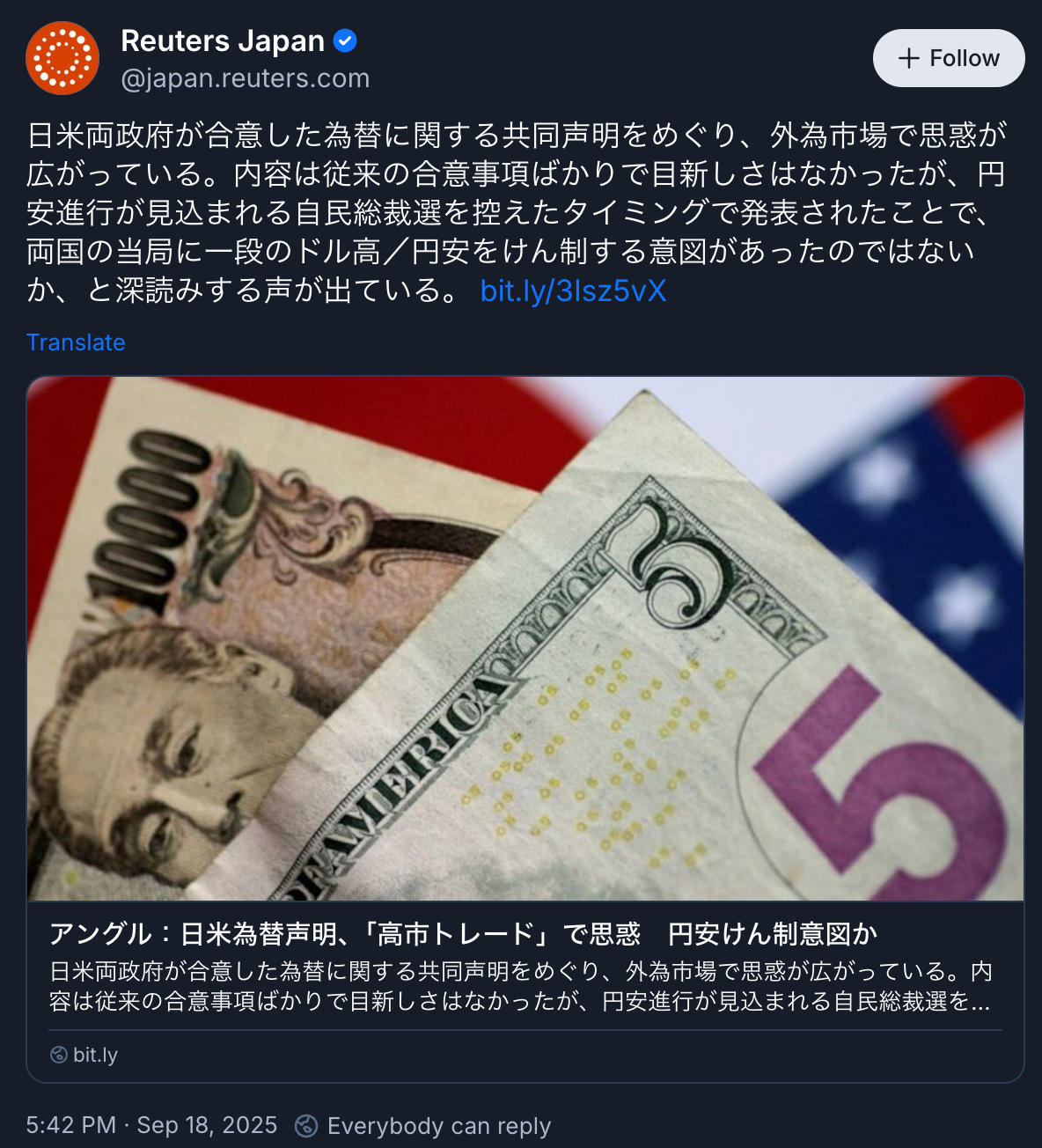
One important phrase to keep in mind is “memorandum of understanding (MOU),” which is a document that usually lists up the 合意事項 that result from a meeting. In Japanese, it looks like MOU is generally translated as 基本合意書 (kihon gōisho).
The two parties involved in 合意事項 don’t necessarily need to be governments or organizations. This article, for example, lists up things that a couple needs to agree on before having kids.
改正事項 (kaisei jikō) - 129,000 hits
This is a relatively straightforward term for “laws/regulations/agreements that were revised.”
Conveniently enough, the Tax Agency has one revision noted on this page related to a change in the way that genetically modified ingredients in Nihonshu must be labeled due to revisions in the standards for the labeling of organic ingredients. If you’d like to dig into the specifics, the regulations are listed here, and this article goes over the specific revisions…although they mostly seem to address labeling related to manufacturing dates, awards won, and the definition of some Nihonshu specific terms? It would be interesting to hear an expert comment on what’s going on here, although it does seem like the awards issue is related to preventing misleading advertising.
相談事項 (sōdan jikō) - 107,000 hits
A very useful phrase that I’m surprised to see so far down the list. This just means “items I’d like to ask/consult with you about.” 相談事項 could easily be plugged into the example sentence I gave at the top. There are some funny job-related social media posts out there, such as this worker who, when asked by their boss if they have any 相談事項, considers saying “I’d like to take time off to go see the GeGeGe no Kitarō movie”:

確定事項 (kakutei jikō) - 89,000 hits
This phrase is very close to 決定事項 that we looked at above and essentially means “something that has been decided” or “made official.” Social media users essentially use them interchangeably to mean something that is “100% a go,” such as this user who’s going to an event:
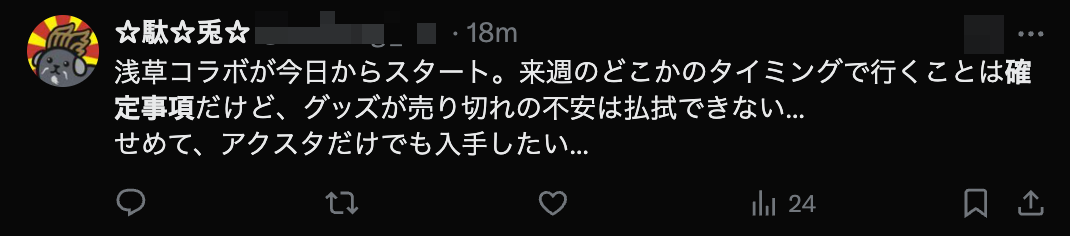
A closer look at 確定 and 決定 might be necessary to determine whether there’s any difference. This article suggests that 確定 refers to things that have been decided and already materialized, whereas 決定 also includes things that have only been decided but not yet brought into existence. That feels a little too subtle to me, to be honest. I imagine these basically get used interchangeably even in business contexts, especially going by the example sentences in this article which mention things that have been decided during a meeting (which suggest that they’ve been decided but not yet materialized).
共有事項 (kyōyū jikō) - 43,000 hits
I’m floored that this phrase is so far down on the list. Second to last of the examples I found! I find it super useful in meetings, especially when you’re encouraging others in attendance to bring up any topics that they would like to share with you. Because that’s what it means: “topics to share.” Social media users seem to use the phrase more casually to mean “PSA” or “FYI,” as shown in the images I shared at the top of the article.
反省事項 (hansei jikō) - 35,500 hits
And our final phrase. I think the lesson I’ve learned with this exercise is that any phrase with 事項 can be used in both serious and casual contexts. Conveniently for this newsletter, 反省事項 may demonstrate that better than any of the others we’ve looked at. It means “areas of reflection”/“things to improve,” and we see the Japanese government using it relation to the Great East Japan Earthquake (PDF) and a traveler regretting the fact that they did not leave luggage other than their camera at the hotel after checking in:

反省事項 could be used in an office environment when doing a postmortem on a project to note areas that could be improved. And it can just as easily be used in a social media post to express regret for having too many drinks the night before.
事項 is equally comfortable in black tie, business casual, and out on the town with friends.
I’m sure there are some expressions I missed. Are there any others that you use regularly?
いろいろ:
- In the podcast this month, I go over 事項, of course, but I also provide my recommendations for Kobe. Those are exclusively on the podcast, so give it a listen. You can access it directly from my blog as well as other podcast platforms. I mention a link to a Japanese blog post with exhaustive coverage of all the Murakami spots in Kobe. That post is here for anyone interested.
- Slay the Spire 2 is out for early access! And I’m one of 500,000+ players who have been digging into it. If anyone wants to try multiplayer, let me know!
- This was an interesting read about Nishi Kanako and how her work was finally translated into English.
- I picked up a used bread machine off Mercari, and it’s one of the best purchases I’ve made in Japan. They can be found for as little as 4,000 yen, and even the units from 12 years ago have a huge range of great features. I may splurge and get a fancy one in the future if I end up using this one enough. Highly recommend picking one up.

Member discussion: